Do You Need Proxies for a Sneaker Bot? A Plain Guide

You’ve bought, or you’re thinking about buying, a sneaker bot. Then you keep seeing the word “proxies” everywhere, usually right before someone mentions another monthly bill. So do you actually need them, or is it just more kit the bot crowd insists on? Honest answer: sometimes you need them, sometimes you don’t, and knowing the difference saves you money. Here’s the plain version, no jargon dump.
What a proxy does, simply
When your bot tries to buy something, the request comes from your home internet connection, your IP address. Retailers watch for IP addresses that behave oddly: lots of checkouts at once, many accounts, suspiciously fast actions. One home connection firing off twenty checkout attempts is a dead giveaway, and they’ll block it.
A proxy is a middleman IP address. Route each task through a different proxy and your twenty attempts look like twenty different shoppers in twenty different homes, instead of one very busy person. That’s the whole job: to spread your activity out so it doesn’t trip the retailer’s alarms.
If the bot is the car, proxies are the number plates. Run enough tasks on one plate and you get pulled over.
Residential vs datacentre vs ISP
Three types, and the difference matters:
- Datacentre proxies. Cheap, fast, and come from servers rather than homes. The downside is retailers can spot them easily, so on hyped drops they get blocked fast. Fine for low-security sites, risky for the big ones.
- Residential proxies. Real IP addresses from actual home connections. They blend in because they look like genuine shoppers, which is why they’re the standard for contested drops. Pricier, usually sold by data usage.
- ISP proxies. A hybrid, hosted in datacentres but registered to internet providers, so they’re fast like datacentre but harder to detect like residential. A popular middle ground.
For most UK sneaker and Shopify heat, residential or ISP is what you want. Cheap datacentre proxies are a false economy on anything seriously contested.
When you actually need them (and when you don’t)
This is the bit that saves you money:
You can often skip proxies when:
- You’re going for a single pair, from home, on a quiet or low-security drop.
- You’re running one task, not many.
- The release isn’t hotly contested.
You need proxies when:
- You’re running multiple tasks or accounts (which is most serious botting).
- You’re chasing a hyped, contested release where the retailer’s defences are cranked up.
- You’re getting blocked, banned or cancelled on your home IP.
In short, casual single-pair botting can sometimes go bare. Volume botting can’t. If you’re not sure which you’re doing yet, you’re probably not at the stage where you need them, which is fine.
How many, and how much
The honest beginner trap is buying a huge proxy plan before you’ve won anything. Don’t.
- How many. Roughly, one proxy per checkout attempt you want to look independent. A small starter setup might be 10 to 25. You scale that up only when you’re actually landing flips and want to run more tasks.
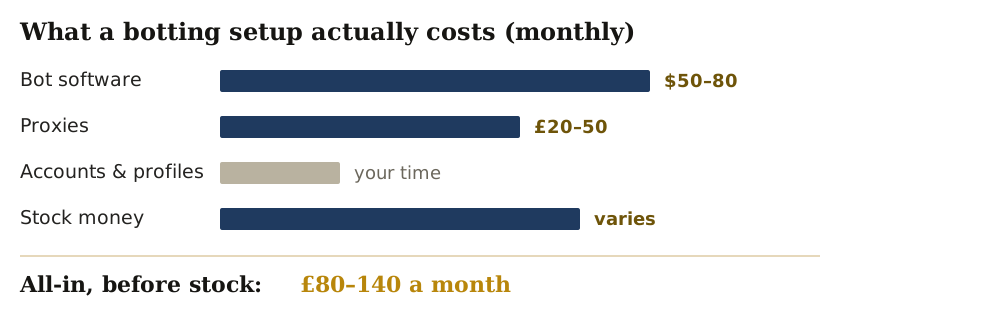
- How much. Expect around £20 to £50 a month for a beginner residential setup. It’s an ongoing cost, and it’s exactly why we keep saying a real botting setup runs £80 to £140 a month all-in once you add the bot, proxies and stock. Our bot comparison breaks that down.
Start with the smallest plan that lets you run the tasks you actually have. You can always buy more. You can’t un-spend money on capacity you never used.
Where bots and groups fit in
Two things make the proxy side easier:
- The bot. A good bot handles proxy setup cleanly and tells you what it expects. Hidden AIO is the one we’d point a beginner at, partly because the team is hands-on with setup help, proxies included (here’s the full review).
- A cook group. This is underrated. Established groups often run group buys on proxies, sharing setup guides and discounted bulk deals, and their members will tell you which providers are working this month and which have gone bad. That community knowledge is worth as much as the discount. It’s one more reason most successful botters are in a cook group as well.
Beginner mistakes to skip
- Buying cheap datacentre proxies for hyped drops. They’ll get blocked. Money gone.
- Buying way too many too early. Capacity you don’t use is a subscription you’re donating.
- Ignoring the provider’s reputation. Proxy quality varies and changes month to month. Ask your group before you commit.
- Forgetting they’re a recurring cost. Budget for them properly, or the maths of botting will surprise you in a bad way.
The short answer
Need a proxy for a single casual pair from home? Often not. Going after contested drops or running multiple tasks? Yes, and residential or ISP is the type to get. Start small, lean on your bot and your group for which provider to use, and scale only when the wins justify it. New to all this? Start one step back with what is a sneaker bot, then the bot comparison.
Frequently asked questions
Do you always need proxies for a sneaker bot?
No. For a single pair on a quiet drop from home, you can sometimes get away without them. The moment you run multiple tasks or go after a contested release, you need proxies, because the retailer will flag lots of requests from one home connection.
What's the difference between residential and datacentre proxies?
Datacentre proxies are cheap and fast but easy for retailers to spot and block. Residential proxies use real home IP addresses, so they blend in far better, which is why they're the standard for hyped drops. ISP proxies sit in between, fast like datacentre but harder to detect.
How many proxies do I need?
It depends how many tasks you run. A rough starting point is one proxy per checkout attempt you want to look independent, so a small setup might use 10 to 25. Beginners almost always buy too many too soon. Start small and scale once you're actually winning.
How much do proxies cost?
Residential proxies are usually sold by data usage or per-IP and run roughly £20 to £50 a month for a beginner setup. It's an ongoing cost on top of the bot and the stock money, which is why a full botting setup is more expensive than it first looks.