What Is a Sneaker Bot? How They Work (and When They Don't)

A sneaker bot is software that does your checkout for you, inhumanly fast, and many times at once. That’s the whole concept. Everything else you’ve heard (proxies, tasks, profiles, “botting”) is the supporting machinery around that one trick. This guide explains how it all actually works, what it costs, where it’s pointless, and how to tell whether you need one, in plain English.
The problem bots solve
When a hyped product drops at 9:00:00, the stock can be gone by 9:00:14. A human needs 20–60 seconds to load the page, pick a size, and type checkout details, which means on a genuinely contested drop, manual buyers are mathematically eliminated before they finish typing their postcode. A bot completes that flow in under a second and runs dozens of attempts simultaneously. It isn’t magic; it’s the removal of typing.
The machinery, in plain English
Four words do most of the work in any botting conversation:
- Tasks. One task = one automated checkout attempt (a product, a size, a payment profile). Botters run many tasks per drop to multiply their chances.
- Profiles. Saved checkout details, name, address, card. Ten tasks with the same details look like one person; serious setups vary them.
- Proxies. Alternate IP addresses, so each task appears to come from a different household. Retailers cap purchases per customer and block suspicious traffic, so proxies (~£20–50/month for “residential” ones) are near-mandatory on contested drops. We dig into them in do you need proxies for a sneaker bot?
- Modules. The retailers a bot supports. A “Shopify module” means the bot knows that platform’s checkout flow. This is the main difference between bots, Hidden AIO covers four high-heat platforms, Stellar AIO covers 70+ retail sites, NSB goes deepest on Nike.
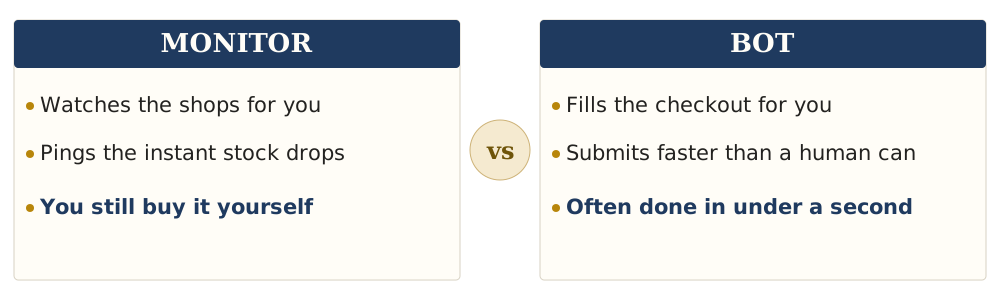
A monitor just watches and alerts. It tells you stock appeared; you still buy manually. Monitors are the standard cook-group tool; bots are the escalation. (More jargon? See the glossary.)
Where bots win (and where they’re useless)
Bot marketing conveniently skips this bit. In the UK it matters even more:
Bots win at: first-come-first-served drops (most Shopify streetwear and collectibles), restocks (stock reappears with no announcement, pure speed), Supreme, Footsites, and contested retail like Pokémon Center and console restocks.
Bots lose at: draws and raffles. SNKRS draws, JD/Size?/END raffles, these are lotteries where winners are picked at random after the entry window. Checkout speed is irrelevant; a bot cannot win one for you. Since a large share of UK Nike heat now releases exactly this way, “I’ll buy a Nike bot and get every Jordan” is the single most common expensive misunderstanding in this hobby. Bots earn their subscription on everything else.
The legality question, straight
For sneakers and general retail in the UK, using a bot is not a criminal offence, but it almost always breaches the retailer’s terms of service. That’s a contract matter: the realistic consequences are cancelled orders, banned accounts and forfeited heat, not legal trouble. One genuine exception: event tickets. The UK specifically outlawed using bots to bypass ticket purchase limits (Digital Economy Act 2017). We don’t cover ticket bots, and you should walk away from anyone selling them.
Play it straight everywhere else too: resale profits can be taxable. We do not give tax advice, so check the official guidance on GOV.UK or speak to an accountant if you are trading at any volume.
What it really costs
The honest monthly bill for a working setup: the bot ($50–80/month), proxies (£20–50), plus properly set-up accounts (free, but hours) and the stock money for whatever you win. Call it £80–140/month before you’ve bought a single shoe. That number is why our advice is consistent across this site: prove you can flip profitably without automation first, Vinted is the classic training ground, and treat a bot as the upgrade your wins pay for.
So: do you need one?
Use this test: are you already getting alerts you keep losing? If you’re in a group, your monitors ping, and the stock is gone before your fingers finish, you’re ready, and a bot converts those losses into coin-flips or better. If you’re not at that stage, a bot solves a problem you don’t have yet.
When you’re ready, start cheap: Hidden AIO’s monthly billing means one bad month and you’re out $49.99, that’s it. Our full bot comparison covers the rest.
Frequently asked questions
What does a sneaker bot actually do?
It automates the entire checkout, loading the product page, selecting size, filling payment details and submitting, in a fraction of the time a human takes, and across many simultaneous "tasks". On first-come-first-served drops, that speed is usually the difference between getting and missing.
Are sneaker bots illegal in the UK?
For sneakers and general retail, no criminal law bans them, but they breach most retailers' terms of service, so orders get cancelled and accounts banned. Tickets are the exception, using bots to bypass purchase limits for event tickets is specifically illegal in the UK under the Digital Economy Act 2017.
Why do bots need proxies?
Retailers limit purchases per customer and flag many requests from one IP address. Proxies route each bot task through a different IP so ten tasks look like ten shoppers. Residential proxies (real-household IPs) are the standard for contested drops.
Can a bot win SNKRS draws or retailer raffles?
No. Draws and raffles are lotteries, entries are picked at random after the window closes, so checkout speed is irrelevant. Bots only matter where stock sells first-come-first-served: straight drops, restocks and contested retail sites.